

Trading guides
Best Forex Pairs to Trade for Beginners: A Practical Guide
New to forex? Learn which currency pairs offer the tightest spreads, clearest patterns, and lowest risk for beginner traders, plus which ones to avoid.
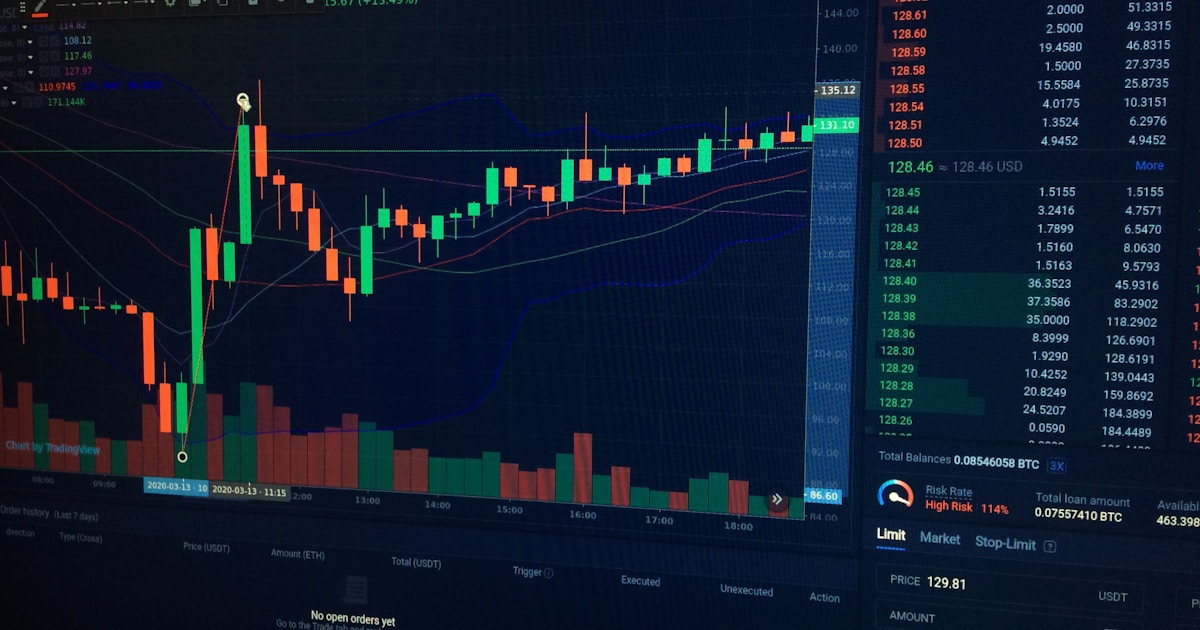
You open a demo account, scroll through the market watch, and see 30+ currency pairs staring back at you. Pick the wrong one as a beginner, and you are fighting erratic spreads, unpredictable news reactions, and execution that makes no sense. Pick the right one, and the learning curve flattens considerably. This guide breaks down the best forex pairs to trade when you are starting out, explains what makes a pair beginner-friendly, and names the ones you should leave alone until you have more screen time.
What Makes a Forex Pair Beginner-Friendly
Not all currency pairs behave the same way, and for a new trader the difference between a forgiving pair and a punishing one can be the difference between a first-month profit and a blown account. Three criteria separate the pairs worth learning on from the ones that will teach you the wrong lessons: tight and consistent spreads, deep liquidity, and predictable daily range behavior.
Spreads, The Hidden Tax on Small Accounts
A beginner's most expensive habit is overtrading. Small stops, multiple round-trips per session, and the urge to "get back in" after a loss all compound fast when the spread eats into every entry. A pair with a 0.1–0.3 pip spread on a standard account lets a new trader survive those mistakes. A pair with a 2–5 pip spread (common on exotics and some crosses) turns a 10-pip stop into a 7-pip stop before price even moves against you. Spread cost is the single easiest variable to control, and beginners should optimise for it first.
Liquidity, Speed of Execution Under Pressure
Liquidity is how fast a market can absorb your order without moving the price. Major pairs like EUR/USD and USD/JPY process millions of trades per minute across global banks, hedge funds, and retail platforms. That means your market order fills at or very near the price you see, even during high-impact news like NFP or an FOMC rate decision. On a less liquid pair, the same news event can produce slippage of 5–10 pips on a standard lot, turning a planned 15-pip scalp into a loss before the trade has a chance to work.
Daily Range Consistency, Predictability Beats Excitement
The best learning pairs move 50–120 pips per day with a recognisable rhythm: a London-session push, a New-York continuation or reversal, and a quiet Asian session. That pattern lets a beginner test entries and exits under similar conditions day after day. Pairs that sit flat for hours and then spike 200 pips in ten minutes (common on exotics like USD/TRY or USD/ZAR) train the wrong reflexes, they reward gambling on breakouts rather than reading structure and managing risk.
Majors vs. Crosses vs. Exotics, The Spectrum
Major pairs (EUR/USD, GBP/USD, USD/JPY, USD/CHF, AUD/USD, USD/CAD) check all three boxes. Crosses (EUR/GBP, GBP/JPY) offer decent liquidity but wider spreads and less consistent daily ranges. Exotics (USD/TRY, EUR/TRY, USD/MXN) fail on every criterion for a new trader. The sections ahead break down which specific pairs within these groups are best suited to a beginner's first 90 days of live trading.
EUR/USD: The Gold Standard for New Traders
EUR/USD is the most traded currency pair in the world, accounting for roughly 24% of daily forex volume. For a beginner, that volume translates directly into two advantages: the tightest spreads in the market, typically 0.0–0.3 pips during active hours, and deep liquidity that keeps slippage to a minimum even on fast moves. The pair also benefits from near-continuous overlap between the London and New York sessions, giving you a full window of high activity rather than a narrow, time-zone-limited opportunity.
What EUR/USD Teaches You
Trading EUR/USD forces you to learn the two forces that drive most forex macro: US dollar sentiment and central-bank rate expectations. When the Federal Reserve signals a hawkish stance, the dollar strengthens and EUR/USD falls; when the European Central Bank pushes back, the pair rallies. That clean, two-sided dynamic produces textbook support and resistance levels, trendlines actually hold, round numbers like 1.1000 act as magnets, and you can practice reading price action without noise from exotic cross-currency correlations.
Volatility That's Just Right
EUR/USD has an average true range of 70–120 pips per day. That is enough movement to test entries, set stop-losses, and trail profits, but not so much that a single bad trade wipes a small account. You get real price action to study without the 200-pip swings of GBP/JPY or the glacial drift of USD/CHF.
Common Beginner Mistakes
- Overtrading the London close. Liquidity drops sharply after 12:00 PM ET as European desks wind down. Spreads widen and false breakouts spike. Many beginners mistake this noise for opportunity.
- Ignoring the 8:30 AM ET news dump. US employment, CPI, and retail sales all hit at this exact minute. EUR/USD can gap 20–40 pips in the first five seconds. New traders who trade through news without preparation often get stopped out on a spike that reverses immediately.
Why the Ecosystem Matters
Nearly every demo account and educational resource defaults to EUR/USD. That means chart setups, indicator templates, and community analysis are all built around this pair. You can find EUR/USD-specific webinars, backtest strategies against years of clean data, and compare your trade log against published examples. Use that ecosystem, it saves months of trial and error.
USD/JPY: Clean Technicals and Tight Spreads
If EUR/USD is the liquidity king, USD/JPY is the technical trader's best friend. It is the second-most liquid pair in the forex market, and that depth shows up in execution quality: spreads on USD/JPY often sit under 0.5 pips during active hours, making it one of the cheapest pairs to trade for beginners watching every pip of cost.
Technical Levels That Actually Hold
USD/JPY respects chart structure better than most major pairs. Trendlines drawn on the daily chart hold for weeks. Round numbers, 100, 105, 110, act as genuine support and resistance, not just psychological noise. Moving averages (especially the 50- and 200-period) produce clean reactions that beginners can spot and trade without second-guessing. This predictability means a new trader can build a simple strategy around a single tool, say, a 20-period EMA on the 1-hour chart, and see consistent price reactions.
A Daily Range That Suits Multiple Styles
The pair averages roughly 100 pips of movement per day. That is wide enough for a swing trader to hold a position for a 60–80 pip target, yet narrow enough for a scalper to work a 10–15 pip profit zone without getting stopped out by random noise. Beginners learning position sizing can use this range to calculate risk-per-trade cleanly: a 20-pip stop on a 0.01 lot equals roughly $2 at risk, manageable for anyone starting small.
Know the Intervention Risk, Don't Fear It
The Bank of Japan (BoJ) occasionally intervenes when USD/JPY moves too fast in either direction. These events produce sudden 100–200 pip spikes and can trigger stop-loss runs. Beginners should know this risk exists, check the news calendar for BoJ official comments, but not let it dictate their trading. The pair behaves normally 95% of the time, and intervention events are rare enough that a simple precaution (tighten stops before major Japanese data) is sufficient.
The Tokyo Session Edge
Unlike EUR/USD, which peaks during London and New York, USD/JPY sees its highest volume during Asian hours (00:00–09:00 GMT). This gives beginners a predictable, lower-volatility session to trade. The Tokyo open sets the tone for the day, and liquidity is deep enough that slippage is rare. For a new trader building a routine, trading USD/JPY during Asian hours removes the guesswork of "when should I be at my desk?"
GBP/USD: Higher Volatility, Higher Reward, With a Warning
GBP/USD, known as "cable", is the pair traders graduate to once EUR/USD starts feeling slow. Its average true range (ATR) runs 100–160 pips per day, roughly 30–40% more than EUR/USD. That wider daily range means a 15-pip stop on EUR/USD might need 25–30 pips on cable, but it also means trend-following setups produce bigger moves per trade.
Spread and Cost of Entry
Expect a spread of 0.5–1.2 pips on GBP/USD during liquid hours, compared to 0.1–0.5 on EUR/USD. That difference matters for scalpers but is manageable for a beginner working 15–30 minute timeframes. At 1.0 pips round-trip, a 40-pip move still nets 39 pips. The cost is real, but it won't kill your strategy if you give the trade room to breathe.
Why Cable Trends Hard
GBP/USD has a structural tendency to trend in sustained waves rather than chop sideways. A single London session can produce 200+ pip directional moves when a UK data release lines up with a US session catalyst. This trend behaviour makes cable a strong candidate for breakout and momentum strategies, but the same speed that creates opportunity can trigger stop runs on poorly placed entries.
What Moves the Pair
- Bank of England (BOE) rate decisions, rate changes and vote splits move cable 80–150 pips in minutes
- UK CPI and employment data, inflation surprises hit GBP hard
- Brexit-related headlines, still a live risk factor for sharp gaps
- US non-farm payrolls (NFP), the monthly USD event that affects every major pair
The Warning: Stay Out of the London Open Chaos
The first 30 minutes of the London session (08:00–08:30 GMT) are the most dangerous window to trade GBP/USD. Spreads can widen to 2–3 pips as liquidity finds its footing, and false breakouts spike as institutional orders sweep both sides of the book. A beginner who enters on a breakout in that window often gets stopped out before the real trend emerges. Let the first 30 minutes pass, then look for a confirmed move on the hourly chart.
AUD/USD and NZD/USD: Commodity-Linked Pairs with Clear Drivers
For beginners who want fundamentals they can actually see move the market, AUD/USD and NZD/USD deliver. These pairs track commodity prices, iron ore and gold for Australia, dairy and wool for New Zealand, giving traders a straightforward cause-and-effect relationship to follow. When iron ore futures rally, AUD/USD typically follows. When the Global Dairy Trade auction prints a strong result, NZD/USD often lifts within the same session.
Spreads and Liquidity, Built for Smaller Accounts
AUD/USD typically trades with a spread of 0.5–1.0 pips during active hours, making it one of the cheapest pairs to trade after EUR/USD and USD/JPY. NZD/USD is slightly wider at 0.8–1.5 pips but still well inside what most beginners should accept. Both pairs carry lower margin requirements than GBP/USD, so a $500 account can trade a micro lot without risking 5% of capital on a single position.
Cleaner Price Action, Fewer Traps
Daily ranges on AUD/USD and NZD/USD typically run 60–100 pips, narrower than GBP/USD but wide enough to capture a move. More importantly, these pairs produce fewer false breakouts. The kiwi and aussie don't get whipsawed by the same news-driven noise that hits sterling. Support and resistance levels hold longer, which matters when you're still learning to read structure.
The Asian Session Edge
Both pairs see peak liquidity during the Sydney–Tokyo overlap (22:00–06:00 GMT). That gives beginners a defined, repeatable window to trade rather than feeling they need to watch the screen 24 hours a day. During this window spreads tighten and slippage drops, ideal conditions for a new trader building consistency.
One Risk Worth Naming
These pairs can gap 15–30 pips on Chinese economic data releases, industrial production, retail sales, or unexpected PBOC policy moves. The gap often reverses within an hour, but a stop placed too tight gets taken out. Use wider stops (20+ pips) around scheduled Chinese data, or simply close positions before the release window.
The Most Volatile Forex Pairs, and Why Beginners Should Wait
New traders often gravitate toward the pairs that move the most, mistaking raw pip movement for opportunity. The most volatile forex pairs, USD/TRY (Turkish lira), USD/ZAR (South African rand), USD/BRL (Brazilian real), and exotic crosses like GBP/TRY, can swing hundreds or thousands of pips in a single session. But that kind of volatility is not a shortcut to profit; it is a fast track to a blown account for anyone without deep experience and institutional-grade risk controls.
Daily Ranges That Wipe Out New Accounts
USD/TRY regularly moves 500–2,000+ pips in a single day, especially around Turkish central bank decisions or inflation data. A 1,000-pip move against a 0.10-lot position at standard leverage is a $100 loss in minutes, and many beginners size larger. At that scale, you are not trading; you are gambling on a single news event with no margin for error.
The Spread Trap
Exotic-pair spreads are not what you see on EUR/USD. USD/TRY might carry a spread of 5–10 pips in calm conditions, but USD/ZAR and USD/BRL can hit 20–50 pips during low liquidity hours. That means the market must move 20 pips in your favor before you break even. On a pair that whipsaws, the spread alone can consume a stop-loss multiple times before the trade ever works.
Volatility Without Liquidity Is Dangerous
Liquidity in exotic pairs dries up outside their local trading sessions and during overlapping global holidays. Slippage on market orders during a news event can reach 20–50 pips. A stop-loss set at 30 pips might fill 80 pips away, turning a manageable loss into a material one. In liquid majors, slippage of a few tenths of a pip is the norm.
A Better Alternative
If you want volatility, trade GBP/USD or USD/JPY with proper position sizing. These pairs offer 80–150 pip daily ranges, tight spreads under 1 pip, and deep liquidity that keeps slippage minimal. A beginner can learn to manage risk on those moves without the structural disadvantages that make exotics a losing proposition for inexperienced accounts.
Which Major Currency Pairs to Avoid as a Beginner
Not every major pair is beginner-friendly. Some look accessible on the surface, tight spreads, familiar names, but carry hidden complexity that punishes inexperience. Here are the pairs to steer clear of until you have more screen time under your belt.
USD/CAD: The Oil Trap
USD/CAD offers tight spreads and solid liquidity, which is why many beginners gravitate toward it. The problem: Canada is a major oil exporter, and the loonie moves in near-lockstep with crude prices. A 3% swing in oil can trigger a 50-pip move in USD/CAD with no warning from the technical chart. If you do not follow energy markets daily, you are trading blind. Leave this pair until you can factor commodity correlations into your analysis.
EUR/GBP and Cross Pairs
Cross pairs, those that do not include the US dollar, look tempting because they offer "different" movement. In practice, EUR/GBP averages just 30–60 pips daily, spreads are 2–3 times wider than on EUR/USD, and the technical patterns are notoriously muddy. The low volatility means your stop-losses need to be tight, but the choppy price action triggers them constantly. Beginners end up paying more in spread costs than they gain in pips.
USD/CHF: Slow and Choppy
The Swiss franc is a classic safe-haven currency. During risk-off events, USD/CHF can gap or reverse violently. In normal conditions, it crawls along at 40–70 pips per day with no clear trend. That combination, low volatility punctuated by sudden safe-haven flows, makes it one of the hardest pairs to learn trade management on. You will sit through hours of sideways noise only to get stopped out by a news spike.
Exotic Pairs: USD/TRY, USD/ZAR, USD/BRL
Exotic pairs involving emerging-market currencies offer the allure of massive pip movements. What the broker's platform does not show you is the downside: spreads of 20–50 pips, unpredictable central bank rate decisions, and overnight gap risk that can blow past any stop-loss. A single unscheduled rate hike in Turkey or South Africa can move price 500+ pips in minutes. Beginners should avoid these entirely.
The One Exception
If you live in a country with an exotic currency, for example, a trader based in Mexico trading USD/MXN, your local knowledge of economic conditions, political events, and central bank tendencies can partially offset the risks. Even then, start with a demo account and a position size small enough that a 300-pip gap does not end your trading career.
How to Build a Beginner Trading Plan Around These Pairs
Start With One Pair, EUR/USD, for 30 Days of Demo
The single biggest mistake new traders make is jumping between six pairs in their first week. Every pair has its own spread profile, session rhythm, and typical movement size. Learning all of them at once guarantees confusion.
Open a demo account and trade only EUR/USD for the first 30 calendar days. Focus on reading the price action during London hours, understanding how spreads behave around news events, and getting comfortable with your platform's order-entry flow. Thirty sessions of one pair builds muscle memory that no amount of theory can replace.
Pair Progression: Add Slowly, Add Intentionally
After your first month, introduce a second pair that behaves differently from EUR/USD:
- Month 1: EUR/USD, high liquidity, tight spreads, predictable London/NY flow
- Month 2: USD/JPY or AUD/USD, USD/JPY has stronger trend persistence and reacts sharply to Tokyo session data; AUD/USD is more commodity-driven and tends to move during Asia-Pacific hours
- Month 3+: GBP/USD, wider spreads and more volatile news reactions; only add this once you're consistently profitable on the first two pairs
Position Sizing and Stop-Loss Rules
Risk 0.5–1% of your account per trade, no exceptions. To set a stop-loss distance that actually fits market conditions, check the pair's Average True Range (ATR) on the daily chart. A reasonable stop is 1.5× the daily ATR, tight enough to limit damage but wide enough to avoid being stopped out by normal noise.
Example: If EUR/USD has a daily ATR of 70 pips, set your stop at roughly 105 pips. Adjust your position size so that a 105-pip loss equals no more than 1% of your account balance. Most MT4/MT5 platforms have ATR as a built-in indicator under "Indicators" → "Oscillators."
Match the Pair to Its Best Session
Every pair has a session where it moves most cleanly. Trading outside that window means fighting thin liquidity and erratic spreads:
- EUR/USD: London session (08:00–17:00 GMT), highest volume and tightest spreads
- AUD/USD: Asia-Pacific session (00:00–09:00 GMT), pairs with Australian data releases and RBA sentiment
- USD/JPY: London–NY overlap (13:00–17:00 GMT), both major liquidity pools active; also moves well during Tokyo morning
Journal What Works for You
Not all beginners trade the same way. One trader thrives on EUR/USD's steady grind; another finds USD/JPY's trend days easier to read. Keep a trading journal that tracks which pairs produce the cleanest setups for your personal style, entry timing, win rate, average risk-to-reward, and how you felt managing the position. Review after 60 days and drop any pair that doesn't fit. A simple spreadsheet with five columns (date, pair, setup type, result, notes) is all you need to start building data on yourself.
FAQ
What is the single best forex pair for a complete beginner?
EUR/USD is the best pair for a complete beginner. It has the tightest spreads of any major pair, often below 0.1 pips during peak liquidity, and the highest trading volume, which means fewer slippage surprises. The daily range is predictable enough to learn on, and most brokers offer it with the lowest margin requirements. Stick with EUR/USD until you can consistently explain why it moved.
How much capital do I need to start trading major currency pairs?
Most brokers let you open a micro account with as little as $50 to $100. With a standard lot of EUR/USD at 1:30 leverage, one pip is worth roughly $10; on a micro lot (0.01 standard lot), one pip is about $0.10. Starting with $200 to $500 gives you enough room to absorb small losses while you learn position sizing. Never risk more than 1% of your account on a single trade.
Can I trade the most volatile forex pairs on a small account?
Technically yes, but it is risky. Pairs like GBP/JPY or USD/TRY can move 100+ pips in a single session. On a $200 account with micro lots, a 50-pip adverse move against you could cost $5 to $10, a 2.5% to 5% hit. Beginners with small accounts should stick to lower-volatility majors like EUR/USD or USD/CHF until they build enough cushion to survive the noise.
Should I trade multiple pairs at once as a beginner?
No. Trading three or four pairs at once splits your attention and increases the chance of correlated losses, EUR/USD and GBP/USD often move together because both are quoted against the dollar. Focus on one pair for at least your first 50 to 100 trades. Learn its rhythm, its reaction to news, and its typical spread behavior before adding a second instrument to your watchlist.
What time of day is best for trading EUR/USD as a new trader?
The best time is the London–New York overlap, roughly 12:00 to 16:00 UTC (8:00 a.m. to 12:00 p.m. ET). That window sees the highest liquidity and tightest spreads for EUR/USD, often below 0.5 pips. Price action is smoother and less prone to the erratic spikes you see during Asian hours or the Friday close. Avoid the first hour of the London open if you are not comfortable with fast moves.
Read next